Living in Ventura County’s picturesque hillside communities, from Westlake Village and Thousand Oaks to Oak Park, Camarillo, and Ventura, requires proactive residential management. Partnering with the Ventura County Fire Department (VCFD) through proper weed abatement and defensible space maintenance dramatically improves your home’s chances of surviving a wildfire.
Creating defensible space not only protects your home during wind-driven ember storms, but it also gives firefighters a safer environment to make a stand and defend your property.
1. The Critical 0 to 5-Foot “Zone 0” (Ember-Resistant Zone)
Fire research shows that windblown embers landing immediately next to walls, foundations, and deck footings are the primary cause of home loss in California wildfires. California state standards (AB 3074) and VCFD guidelines highlight this critical 5-foot perimeter around your home, garage, and attached structures:
Remove Combustible Items: Clear away dead leaves, dry needles, organic mulch, and flammable foliage directly adjacent to exterior walls, underneath timber decks, and on roof valleys.
Hardscaping Alternatives: Replace organic wood bark and mulch within 5 feet of all structures with non-combustible surfaces like gravel, river rock, brick pavers, or concrete.
Ember-Resistant Vents & Structures: Retrofit attic, crawlspace, and eave vents with corrosion-resistant 1/8-inch metal mesh to stop embers from entering interior voids. Swap out wood gates or timber fencing attached directly to the home with fire-resistant metal options.
Relocate Fuel Sources: Move firewood piles, extra lumber, trash containers, and outdoor propane storage out of Zone 0 and place them in Zone 2.
2. Zone 1 and Zone 2 Guidelines
Maintaining clearance across your entire lot helps slow down approaching ground fires and stops low flames from climbing into mature tree canopies.
Zone 1 (Lean, Clean, and Green Zone — 5 to 30 feet from structures):
Remove dead vegetation, dried weeds, decaying trees, and fire-prone plants like Italian cypress, juniper, and untrimmed palm fronds.
Prune lower tree limbs near rooflines and maintain at least 10 feet of clear space between tree branches, chimneys, and neighboring roof structures.
Ensure patio furniture, wooden play sets, and exterior equipment have adequate ground clearance.
Zone 2 (Reduce Fuel Zone — 30 to 100 feet or to your property line):
Mow or weed-wack annual weeds and dry native grasses down to a maximum height of 4 inches.
Maintain clear horizontal separation between shrubs and trees to eliminate continuous paths of fuel.
Ensure vertical clearance by trimming low-hanging tree branches up at least 6 feet from the ground to prevent low ground fires from “laddering” up into canopy leaves.
Maintain 10 feet of cleared bare soil around outbuildings and outdoor propane tanks.
3. Roof, Gutter, and Exterior Structure Maintenance
Your roof acts as a primary landing surface for wind-driven firebrands during severe Santa Ana wind conditions.
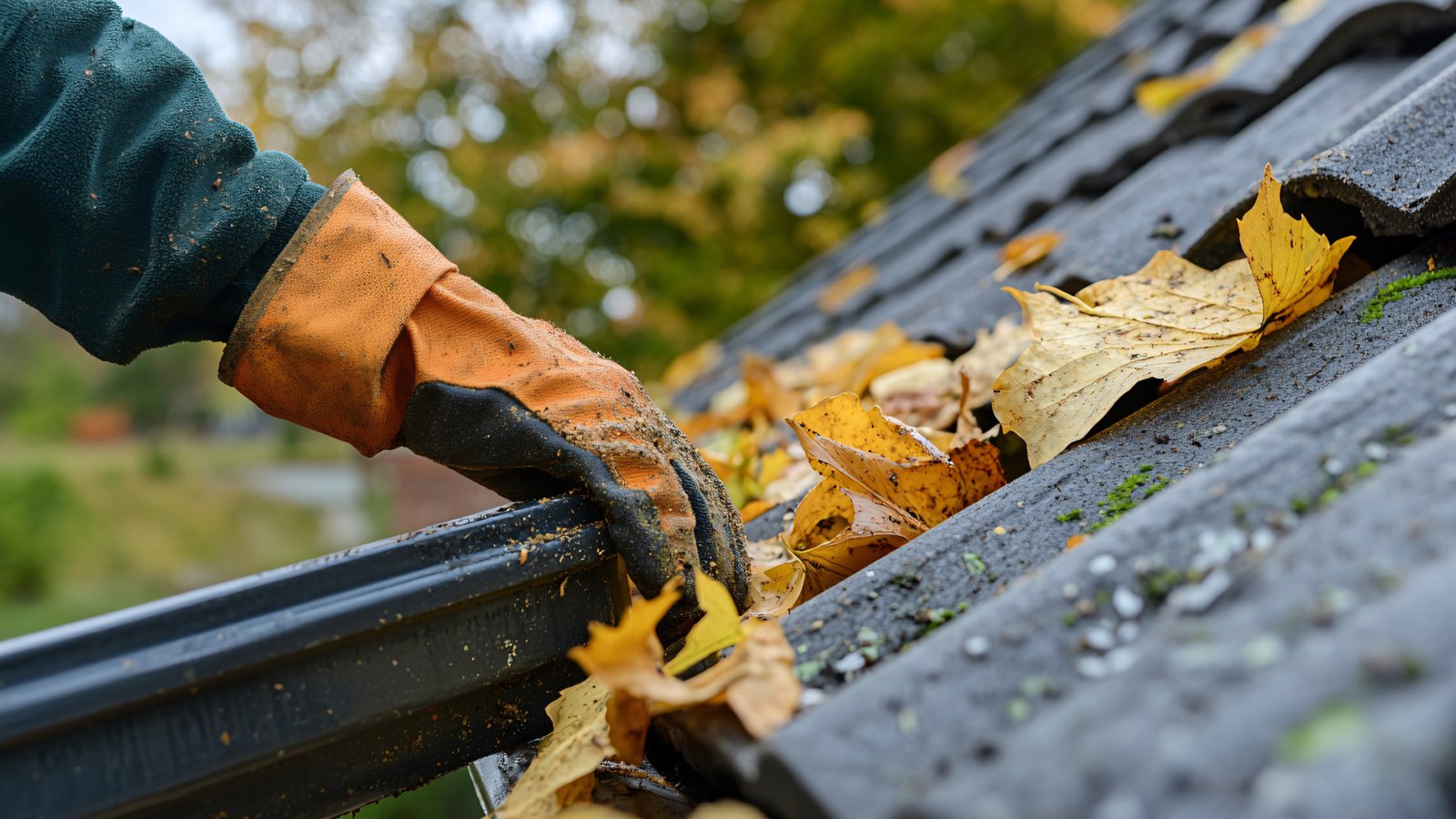
Routinely clean out dry leaves, pine needles, and palm debris from roof valleys, gutters, and under solar panel arrays.
Inspect weather stripping on garage doors to ensure embers cannot blow under gaps into stored household boxes.
Keep 100 feet of garden hose connected to exterior spigots so it is immediately accessible for firefighters or last-minute defensive measures before evacuating.
Download Your Free Emergency Readiness Guide
Being prepared is an ongoing commitment to your home and family. For additional resources and local checklists, head over to monicagamble.realtor/safe/ to download our free Emergency Prep Guide, or reach out anytime for trusted local guidance and real estate support across Ventura County.