As October comes to a close across Ventura County, Santa Barbara, and Montecito, the warm “Indian summer” afternoons begin giving way to cooler ocean breezes, longer nights, and the early signs of late-fall weather.
While winter on the Central Coast doesn’t involve snow shovels or frozen pipes, the shift in seasons brings its own set of demands—specifically brief, intense rainstorms, lingering high winds, and lower sun angles.
To transition your home and garden seamlessly into November, here is your essential late-fall prep checklist tailored specifically for our coastal climate.
1. Protect Your Garden & Native Landscaping
Late October and early November mark the ideal window to refresh and protect your outdoor living spaces before heavy winter rains arrive.
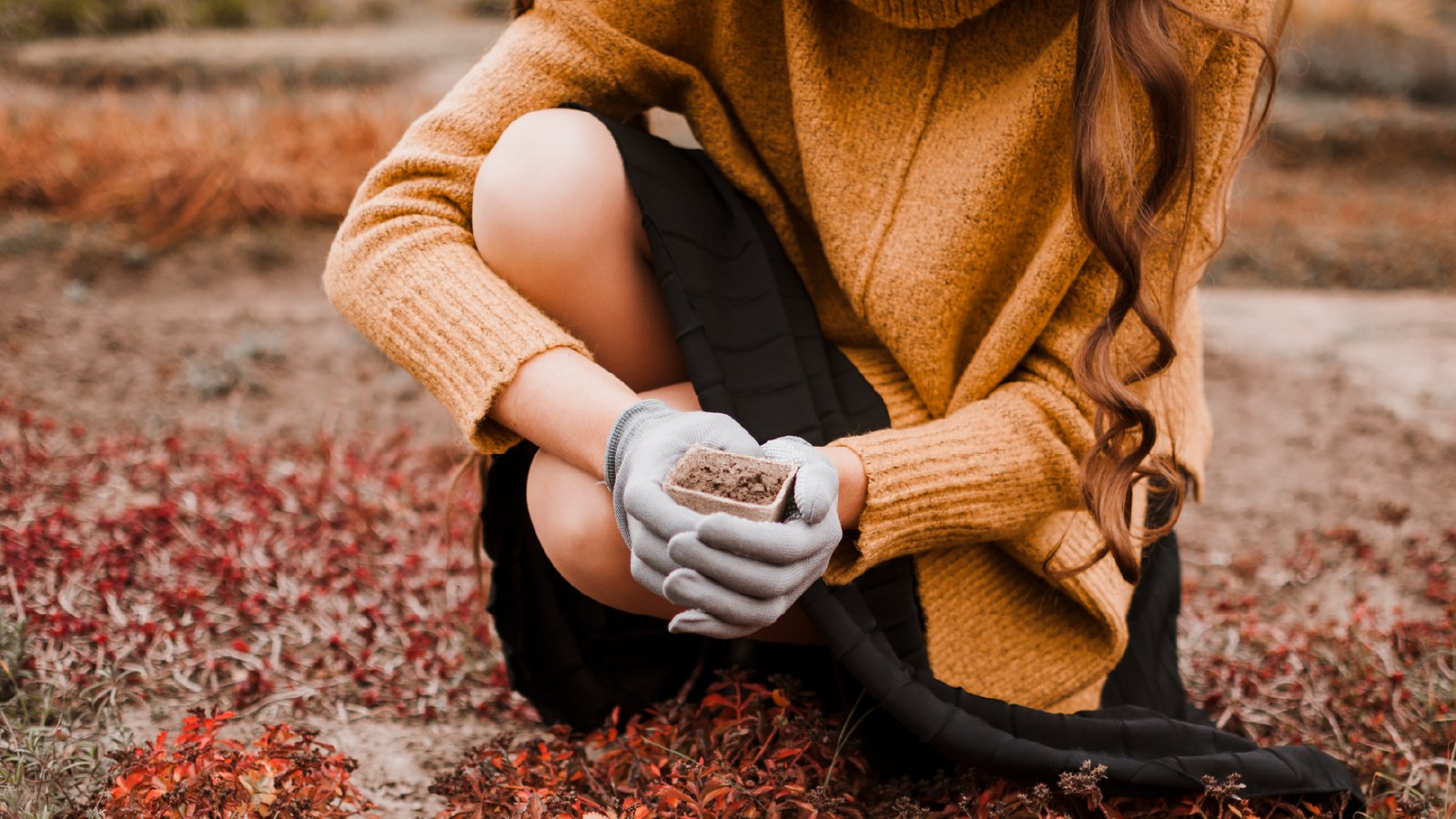
- Plant Native Perennials: November is actually the absolute best time of year to plant native California species (like Ceanothus, Salvia, and Manzanita). Planting now allows root systems to establish naturally during the rainy season.
- Apply Fresh Mulch: Spread a 2- to 3-inch layer of organic mulch across garden beds in Ventura and Montecito. Mulch suppresses weeds, regulates soil temperature during cool nights, and prevents soil erosion during sudden downpours.
- Prune Deadwood: Trim back dead or overgrown tree branches—especially near rooflines or power lines—to prevent wind damage during late-autumn wind events.
2. Inspect Roofs, Skylights & Rain Drainage
A dry October is the best time to catch potential roof leaks before the first major atmospheric river or winter storm rolls off the Pacific.
- Inspect Roof Tiles & Flashing: Tile roofs (common across Santa Barbara Spanish-style architecture) can harbor cracked tiles or compromised flashing. Have your roof inspected and clear out accumulated debris in roof valleys.
- Clear Foundation Drains & Downspouts: Ensure all downspouts direct water at least 3 to 5 feet away from your home’s foundation. Check that yard drains and catch basins are clear of dirt, leaves, and pine needles.
3. Transition Outdoor Living & Entertainment Spaces
Coastal Californians use their outdoor patios year-round, but late fall requires a few quick adjustments to keep outdoor furniture and amenities protected.
- Clean & Cover Outdoor Furniture: Salt air combined with damp winter morning dew can accelerate wear on outdoor teak, metal, and upholstery. Clean cushions and apply breathable protective covers.
- Service Gas Fire Pits & Patio Heaters: Ensure gas outdoor fireplaces, fire pits, and overhead patio heaters are clean, tested, and ready for chilly November evenings outdoors.
4. Check Windows, Doors & Draft Seals
Cool ocean air at night can easily slip into your home if weatherstripping has worn down from summer heat and sun exposure.
- Check Seals: Inspect weatherstripping around French doors, sliding glass patio doors, and large ocean-facing windows. Replace dry or cracked seals to keep heat in and drafty sea air out.
- Clean Window Screens: Remove summer dust, salt residue, and grime from window screens so you can maximize natural light during the shorter daylight hours of November and December.